
Best Mushroom Tincture for Focus
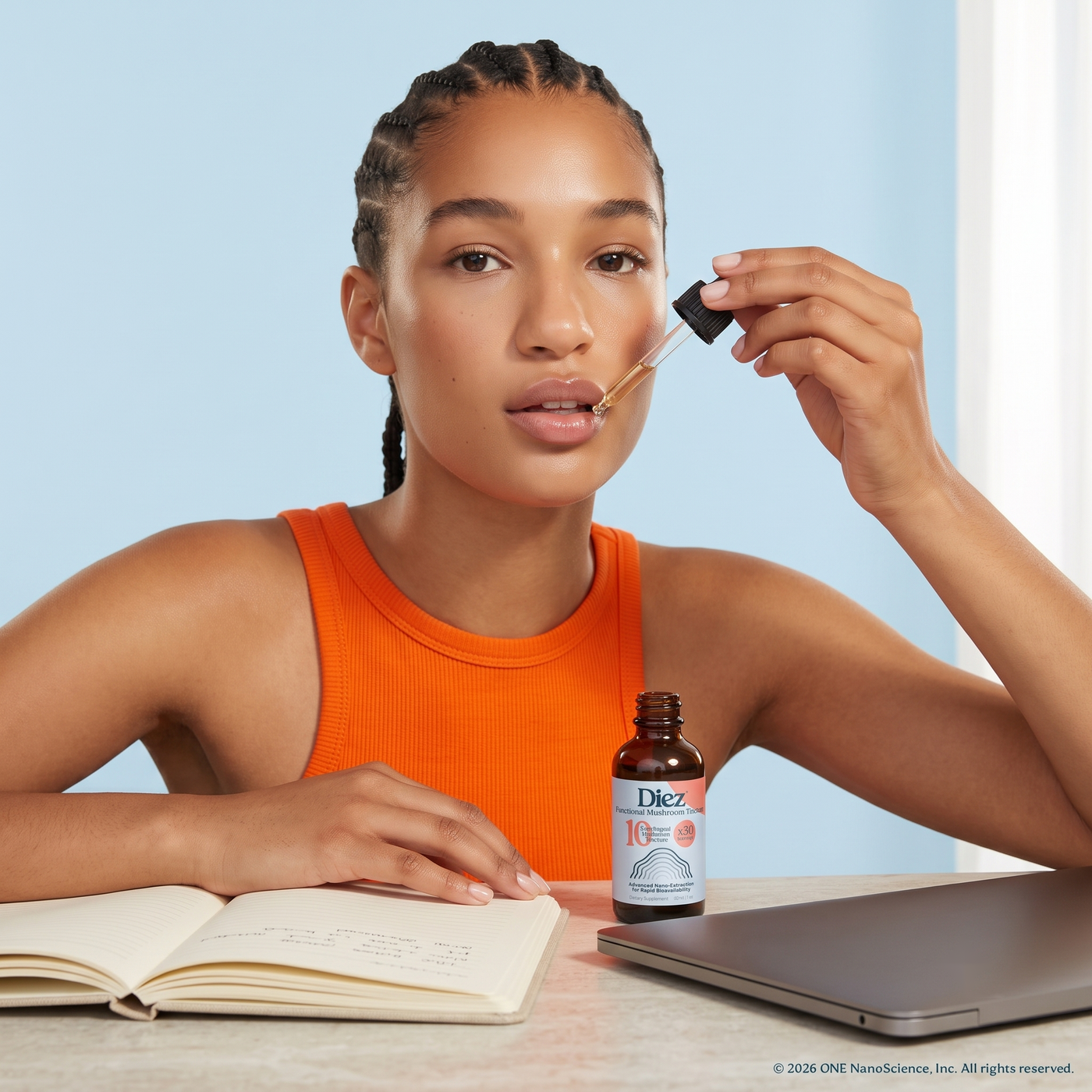
You can feel the difference between a supplement that belongs in a routine and one that ends up forgotten in a drawer. When people search for the best mushroom tincture for focus, they usually want one thing: cleaner mental performance without turning their day into a chemistry experiment.
That rules out a lot of products fast. A good focus tincture should not just look impressive on a label. It should fit real life, absorb efficiently, and deliver a formula that supports attention, energy, and stress resilience at the same time. Focus is rarely just a focus problem. It is often a mix of mental fatigue, overstimulation, poor stress tolerance, and inconsistent daily habits.
What actually makes the best mushroom tincture for focus?
The strongest products tend to get four things right: mushroom selection, extract quality, delivery format, and simplicity of use. Miss any one of those, and the experience can feel underwhelming.
First, focus is not usually driven by a single mushroom alone. Lion's Mane gets most of the attention for cognitive support, and for good reason, but it works best in a broader formula. Cordyceps can support cleaner energy. Reishi may help smooth out the stress load that wrecks concentration. Chaga, Tremella, and Poria Cocos add support that makes the formula feel more balanced instead of one-dimensional. If a tincture claims to be the best option for focus but relies on one trendy ingredient and not much else, that is worth questioning.
Second, extract quality matters more than marketing language. Fruiting body extracts are generally the better signal if you care about quality and potency. That is because fruiting bodies are typically where people look for the most valuable compounds, while lower-end products may lean on filler-heavy biomass. Third-party testing also matters. If a brand talks a big game about performance but says little about verification, that gap matters.
Third, absorption is not a minor detail. It is the whole game. Many people trying functional mushrooms have already gone through the cycle of capsules, powders, and stacked bottles that feel heavy, slow, or inconsistent. A tincture can solve part of that, but not all tinctures are built the same. Some still depend on a slower digestive route. Others are designed for faster uptake, which can make the ritual feel more immediate and more sustainable.
Finally, the best product is one you will actually take. A perfect formula that demands too much effort is a poor fit for a busy brain. If your wellness stack requires measuring powders, swallowing multiple capsules, and timing everything just right, focus becomes another task.
Why focus formulas fail in the real world
Most people do not need more stimulation. They need fewer friction points.
That is why many mushroom products disappoint. They treat focus like a short burst problem when it is really a system problem. Too much caffeine can sharpen you for an hour and flatten you by midafternoon. A weak mushroom product may promise clarity but deliver so little that you stop noticing it. A complicated supplement routine creates another source of mental clutter.
The best mushroom tincture for focus should support steadier cognition, not fake urgency. That means the formula has to work with the rest of your day, whether you are in back-to-back meetings, deep work mode, or trying to stay sharp without pushing your nervous system harder.
The mushrooms most relevant to focus
Lion's Mane is usually the headline ingredient, and it deserves that spot. It is closely associated with mental clarity, memory support, and cognitive performance. If focus is your goal, you want it in the formula.
But there is a difference between a product built around focus and a product built around real-life performance. Cordyceps can help support energy production and stamina, which matters if your lack of focus is really low output. Reishi may support a calmer baseline, which matters if your attention gets wrecked by stress. Tremella and Chaga bring broader wellness support that can help the formula feel less jagged over time.
Then there is the all-in-one advantage. A wider blend can make more sense than buying separate bottles for clarity, energy, and calm. That kind of stacking sounds precise, but it often turns into inconsistency, overspending, and too many variables.
Tincture vs capsules for focus
Capsules are convenient in theory, but they can be slow and forgettable in practice. You swallow them, wait, and hope the formulation is doing what the label suggests. Powders have their place too, but they often require prep, taste masking, or adding them into coffee or smoothies just to get them down.
A tincture makes more sense for people who want a fast, simple ritual. It is easier to use, easier to keep visible, and easier to repeat daily. That matters because consistency beats intensity in most wellness routines.
Still, not every tincture earns an edge. If the liquid is just a different container for an average extract, the format alone does not guarantee better results. What matters is whether the delivery system is designed for faster, fuller absorption. That is where more advanced formulations separate themselves.
What to look for on the label
A premium focus tincture should be easy to evaluate once you know the signals. Look for fruiting body extracts, transparent ingredient lists, third-party testing, and domestic manufacturing standards. If the product combines multiple mushrooms, ask whether the blend feels intentional or padded.
Also pay attention to what is missing. A clean-label formula with no unnecessary clutter is usually a stronger sign than a label trying to impress with noise. The best mushroom tincture for focus should feel engineered, not overloaded.
Flavor matters more than many brands admit. If the taste is brutal, adherence drops. The same goes for dosage complexity. The easier the ritual, the more likely it becomes part of your morning instead of a sometime habit.
Where advanced delivery changes the decision
This is the point where many products start to look similar on paper and very different in use.
An advanced tincture with nano-emulsified delivery has a real advantage for the modern mind. Instead of asking your digestive system to do all the heavy lifting, it is built for faster absorption and more efficient delivery. That can matter a lot for people who are tired of waiting on capsule-based stacks that feel delayed or inconsistent.
DIEZ makes a strong case here because the formula is not just a mushroom blend. It is a 10-mushroom, nano-emulsified tincture designed around mental clarity, balanced energy, and stress resilience in one daily ritual. That combination is unusually aligned with what most people actually mean when they say they want better focus. They do not just want more alertness. They want fewer crashes, less noise, and more usable mental bandwidth.
The one-bottle format matters too. Replacing a multi-product stack with a single daily tincture is not just convenient. It is easier to sustain, easier to track, and easier to trust when results start to feel consistent.
Is a multi-mushroom tincture always better?
Not always. It depends on the formulation and the person using it.
If someone wants to experiment with one ingredient at a time, a single-mushroom tincture may be useful for isolating effects. That can make sense for experienced supplement users who like testing variables. But for most busy adults, single-ingredient products can create a fragmented routine fast.
A well-built multi-mushroom formula is often the better fit because focus is rarely isolated from energy and stress. The trade-off is that blend quality has to be high. If a formula uses too many mushrooms without enough intention or extract quality, more is not better. It is just more label space.
How to choose the right one for your routine
If your main issue is brain fog in the morning, look for a tincture that is easy to take first thing and built for fast absorption. If your problem is afternoon burnout, choose a formula with broader support for energy and resilience, not just cognition. If stress is what breaks your concentration, a more balanced blend may serve you better than a pure nootropic play.
The right product should reduce decision fatigue, not add to it. You should know when to take it, why it is in your stack, and how it fits your day in under 30 seconds.
That is the real standard. The best mushroom tincture for focus is not the one with the loudest label. It is the one built for clear thinking, clean delivery, and repeatable daily use. When a formula supports attention without making your routine harder, it stops feeling like another supplement and starts feeling like leverage.
If you are choosing carefully, choose the product that makes focus feel more stable, not more forced. That is usually the one worth keeping on your counter.